
For homeowners in Bridgeport, Connecticut, considering a solar-ready roof, certain upgrades can enhance the property's value and facilitate future energy initiatives. A solar-ready roof involves more than simply installing solar panels; proper reinforcement and preparation are crucial for long-term benefits and compliance with local regulations.
Investing in structural enhancements can ensure that the roof can support the weight of solar panels and withstand weather conditions typical of the region. This may include the installation of additional roof supports or a review of the existing roofing material to ensure it is suitable for solar integration. Furthermore, planning for proper orientation and placement of panels can maximize energy production.
Additionally, building codes and local regulations should be taken into consideration when upgrading a roof for solar capabilities. Ensuring compliance can prevent future issues related to permits and inspections, which could lead to unnecessary complications.
By methodically preparing your roof for solar energy, you can create a foundation that not only supports your energy goals but also positively influences the property’s marketability and overall performance in energy efficiency. Before initiating a solar panel installation, it is essential to evaluate the capacity of your roof to support the additional weight. In Bridgeport, as in other regions of Connecticut, assessing the structural integrity of the roof is a significant step prior to installation. Compliance with local building codes, as well as guidelines from the Public Utilities Regulatory Authority, may require a professional evaluation. This evaluation typically involves hiring a licensed contractor who can perform a detailed inspection and design necessary reinforcements if required. Identifying and addressing any structural deficiencies is crucial for ensuring the safety and durability of your home, which plays a vital role in maintaining the property's overall value. Additionally, understanding and adhering to local regulations can facilitate the installation process and reduce the likelihood of project delays. Numerous companies, including Residential Solar Company, provide comprehensive services that assist homeowners throughout the entire process, from initial assessments to the submission of interconnection applications. This assistance often extends to providing information about available local incentives, which can help homeowners optimize the advantages of their solar energy systems from the beginning. Selecting appropriate roofing materials is crucial for establishing a solar-ready home in Bridgeport. Metal roofing and high-wind asphalt shingles are often recommended due to their durability, which is necessary for withstanding the coastal weather conditions that are prevalent in Connecticut. These materials also provide a reliable base for the installation of solar energy systems. In addition, using reflective roofing materials is a key factor to consider. Reflective materials can help reduce cooling costs and improve the efficiency of solar panels, which is particularly important in a region where electricity rates are approximately twice the national average. Homeowners are encouraged to consult with professional roofing companies to choose designs that meet quality standards and adhere to local building codes. Ensuring that installations are performed by certified professionals can help maintain compliance and reliability. When evaluating roofing options, it is advisable to select materials that come with warranties of at least 25 years, as this is consistent with the expected lifespan of solar panels. Furthermore, homeowners should investigate local incentives, tax exemptions, and net metering programs that may provide opportunities for reducing energy costs, potentially increasing the overall value of their property. Maximizing roof space is an important factor in the installation of solar energy systems in Bridgeport, particularly due to high electricity costs in the area. Engaging a qualified professional team to design a solar system is essential for compliance with Connecticut's energy requirements and to ensure a reliable installation. Critical considerations include roof orientation, structural integrity, and the mitigation of shading, all of which can significantly impact the performance of solar panels. Given that local electricity rates can be as high as approximately 32.5¢ per kWh—nearly double the national average—an effective solar installation can lead to substantial savings. South-facing roofs typically receive more sunlight throughout the day, which can enhance energy production. In addition, utilizing technologies such as microinverters may contribute to improved overall system efficiency, especially in areas like Black Rock or North End. Homeowners are also encouraged to explore available programs that provide information about incentives, tax exemptions, and regulatory approval processes related to solar installations. These programs can facilitate cost savings at the onset of system activation. In conclusion, thorough planning and evaluation can lead to optimized use of roof space and enhanced energy generation outputs. Assessing the readiness of your home’s roof for a solar upgrade involves examining its structural integrity and capacity to support the weight of solar panels. This assessment is particularly important in Bridgeport, where coastal conditions can affect the durability and stability of roofing materials. A detailed evaluation by qualified solar professionals can provide homeowners with insights into any necessary upgrades to ensure safe installation and effective electrical integration. In addition to structural considerations, understanding local incentives and managing the interconnection application process with the Public Utilities Regulatory Authority is essential for homeowners looking to install solar technology. Professional service providers can guide homeowners through compliance with zoning laws, program requirements, and contractor licensing standards, which can greatly improve the feasibility of the solar project. Implementing solar energy can result in lower utility bills and may enhance the value of a home, along with possible tax benefits. However, realizing these benefits requires careful planning and strict adherence to safety protocols throughout the installation process. The installation of solar panels provides several immediate benefits; however, homeowners in Bridgeport should prioritize long-term maintenance and efficiency to protect their investment. Regular, systematic inspections and cleaning of solar panels are critical for sustaining the performance of the Quality and Energy System, particularly in Connecticut's coastal environment, where factors such as salt air and debris can adversely affect the panels. Engaging licensed contractors for installation and maintenance is recommended, as their professional expertise can play a significant role in ensuring optimal system functionality. The selection of durable roofing materials and the implementation of appropriate system designs are also essential considerations that can enhance the home’s overall value while lowering electricity costs. Another important factor is maintaining optimal sunlight exposure, which can be achieved by regularly trimming nearby vegetation. This practice can help maximize the peak sun hours available to the solar panels, thereby improving overall energy production. Furthermore, homeowners should investigate local incentive programs, including tax exemptions and net metering, as these can provide financial advantages that support maintenance efforts. Collectively, these strategies contribute to the efficiency of a solar energy system, which can result in both short- and long-term savings. Upgrading to a solar-ready roof for your home in Bridgeport, Connecticut can facilitate a more efficient installation of solar panels and enhance the long-term functionality of your solar energy system. A solar-ready roof incorporates specific reinforcements, materials, and electrical preparations that optimize the roof’s capacity for solar installations. Additionally, this preparedness can potentially increase the property value of the home.
Compliance with local regulations and incentives is critical in this process. Understanding and aligning with these requirements can help homeowners fully leverage financial benefits available through state and local programs. Furthermore, taking these preparatory steps may lead to reduced energy bills and improved environmental sustainability over time.
In summary, investing in solar-ready roof upgrades can provide homeowners in Bridgeport with practical advantages, including ease of future solar installation, improved energy efficiency, and potential increases in property value, contingent on adherence to relevant regulations and market conditions.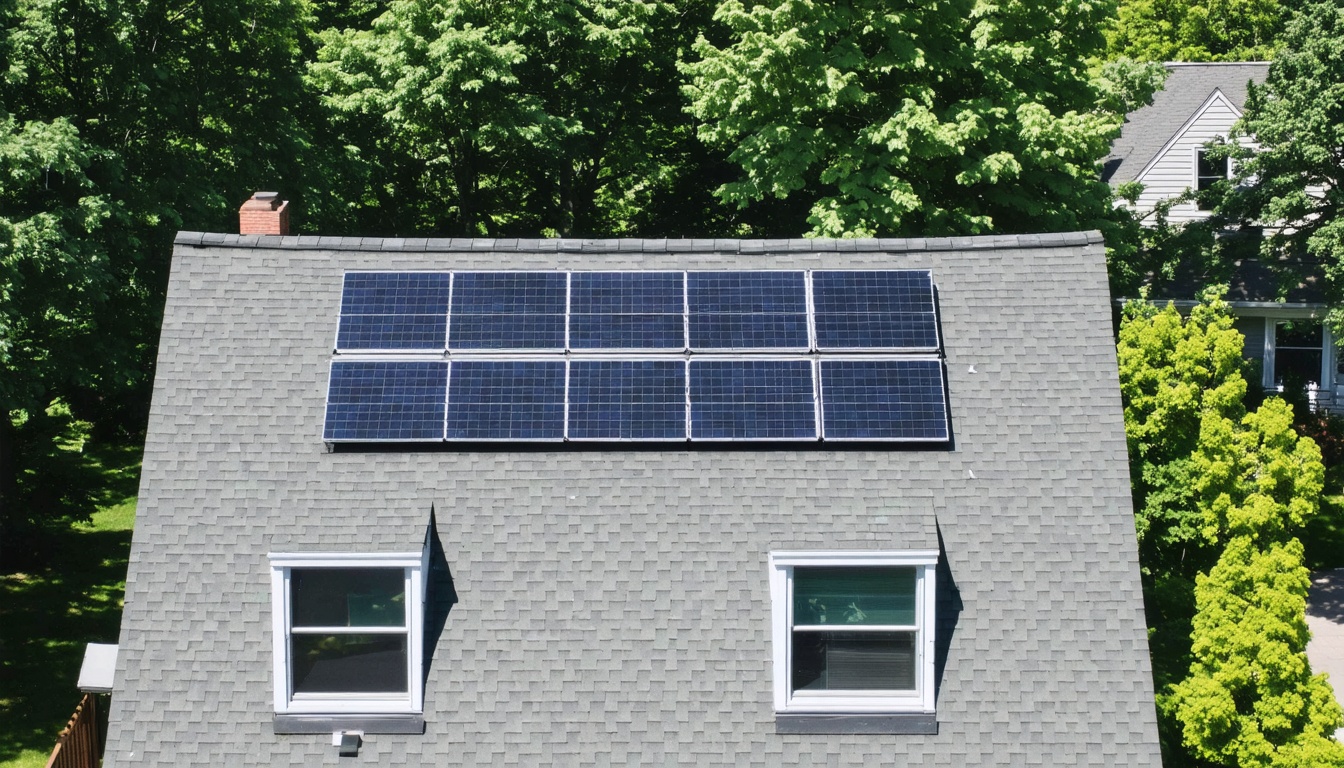
Solar Ready Roof Upgrades That Matter for Homes in Bridgeport, Connecticut
Structural Reinforcements for Solar Panel Support
Selecting Durable and Reflective Roofing Materials
Maximizing Roof Space and Minimizing Shading
Preparing for Electrical Integration and Safety
Planning for Long-Term Maintenance and Efficiency
Conclusion